Sports recovery is the missing link for many active adults who train hard but feel like your body never fully bounces back. Many active adults assume soreness, fatigue, and slow recovery are just “part of getting older.” They’re not.
In reality, most recovery issues come from a mismatch between training stress and recovery support. That’s where sports recovery physical therapy fits in.
Sports recovery physical therapy is designed for people who want to stay active, perform better, and avoid injuries, not just those who are already hurt. It helps bridge the gap between pushing your limits and protecting your long-term health.
This matters whether you’re a weekend pickleball player, a runner training for a race, or someone lifting consistently to stay strong. Recovery is not passive rest. It is an active, strategic process that allows your body to adapt, rebuild, and come back stronger.
This article answers common questions active people ask:
- Why does recovery matter as much as training?
- Is physical therapy only for injuries?
- How does recovery-based PT improve performance and longevity?
If your goal is to stay strong, mobile, and confident for years to come, understanding recovery-based physical therapy is a critical first step.

Why Sports Recovery Physical Therapy Is Essential for Long-Term Performance
Sports recovery physical therapy exists to solve one core problem: training stress accumulates faster than the body can recover without guidance.
Every workout disrupts your body’s balance. Muscles experience micro-damage, energy stores drop, and the nervous system works overtime. This stress is necessary for improvement, but only when paired with adequate recovery.
Without proper recovery support, athletes and active adults can slip into under-recovery. This often shows up as:
- Persistent soreness
- Declining performance
- Recurrent “nagging” injuries
- Feeling flat or fatigued despite training consistently
Over time, under-recovery can contribute to overtraining syndrome, a condition marked by hormonal disruption, nervous system fatigue, immune suppression, and prolonged performance decline.
Sports recovery physical therapy helps interrupt this cycle early by:
- Monitoring movement quality and fatigue patterns
- Identifying overload before pain appears
- Adjusting training demands to match recovery capacity
Poor load management leads to injury. You can prevent tendon injury with smart load management like we share in this article.
Unlike generic recovery advice online, recovery-based PT is individualized. It looks at how your body responds to stress…not what works in theory.
For active adults who want longevity, this is critical. Performance is not just about intensity. It’s about sustainability. Recovery physical therapy allows you to train consistently without burning out or breaking down.

Pain-Free Doesn’t Mean Fully Recovered
One of the biggest misconceptions in healthcare is that physical therapy ends when pain goes away. Modern sports recovery physical therapy rejects that idea.
Recovery exists on a continuum, not a finish line.
Injuries rarely happen randomly. They often develop from:
- Poor movement mechanics
- Accumulated fatigue
- Load spikes without recovery
- Unaddressed asymmetries
Recovery-based physical therapy addresses these factors before they cause injury.
This approach focuses on:
- Motion optimization: Restoring mobility where it’s limited so force isn’t transferred to the wrong joints.
- Neuromuscular control: Ensuring muscles fire efficiently, even when you’re tired.
- Load management: Balancing training volume and intensity to prevent overload.
For example, a stiff thoracic spine can increase shoulder or low back stress. Recovery PT identifies this early and restores motion so training remains efficient and safe.
This is especially important for active adults who train multiple days per week. Fatigue changes movement quality. Without oversight, subtle compensations become chronic problems.
Sports recovery physical therapy helps athletes move from pain-free to fully capable by optimizing movement, managing fatigue, and preventing injuries before they start.
By treating recovery as part of performance, physical therapy becomes proactive instead of reactive. It helps you move from “pain-free” to “fully capable,” which is where long-term resilience lives.

Is Physical Therapy Only for Injuries? Not Anymore.
A common question active people ask is, “Should I go to physical therapy if I’m not injured?”
The answer is yes, if your goal is prevention, performance, and longevity.
Modern sports recovery physical therapy is built around maintenance and optimization. Think of it like routine servicing for a high-performance vehicle. You don’t wait for the engine to fail before you take care of it.
Recovery-focused PT helps by:
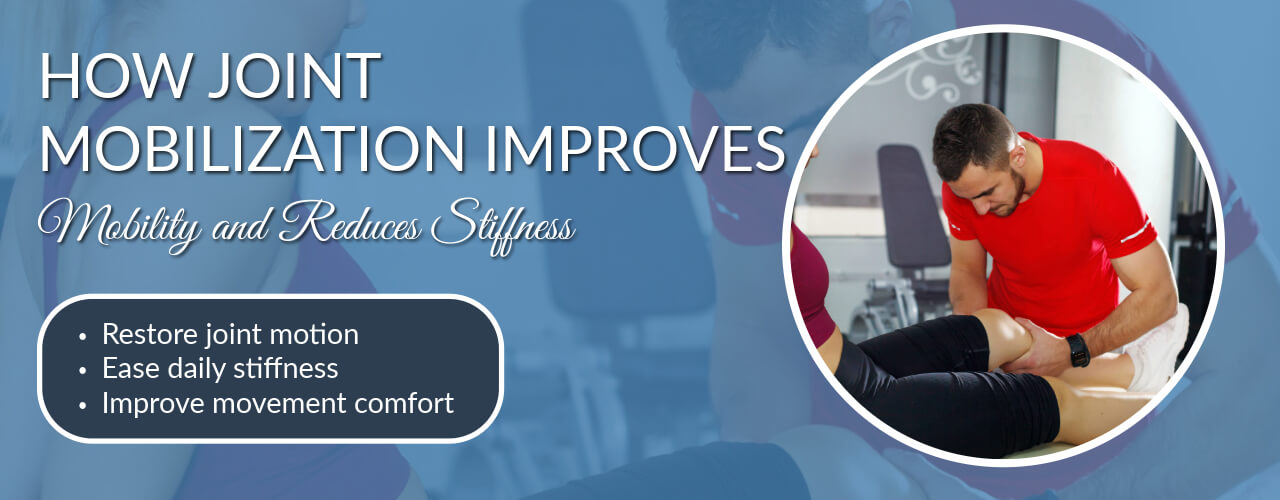
- Addressing stiffness before it causes pain
- Correcting movement inefficiencies
- Improving joint durability and tissue capacity
- Reducing injury risk during high-volume training
This proactive approach is increasingly accessible through direct-access and cash-based models. That allows people to work with a physical therapist without waiting for a diagnosis or referral.
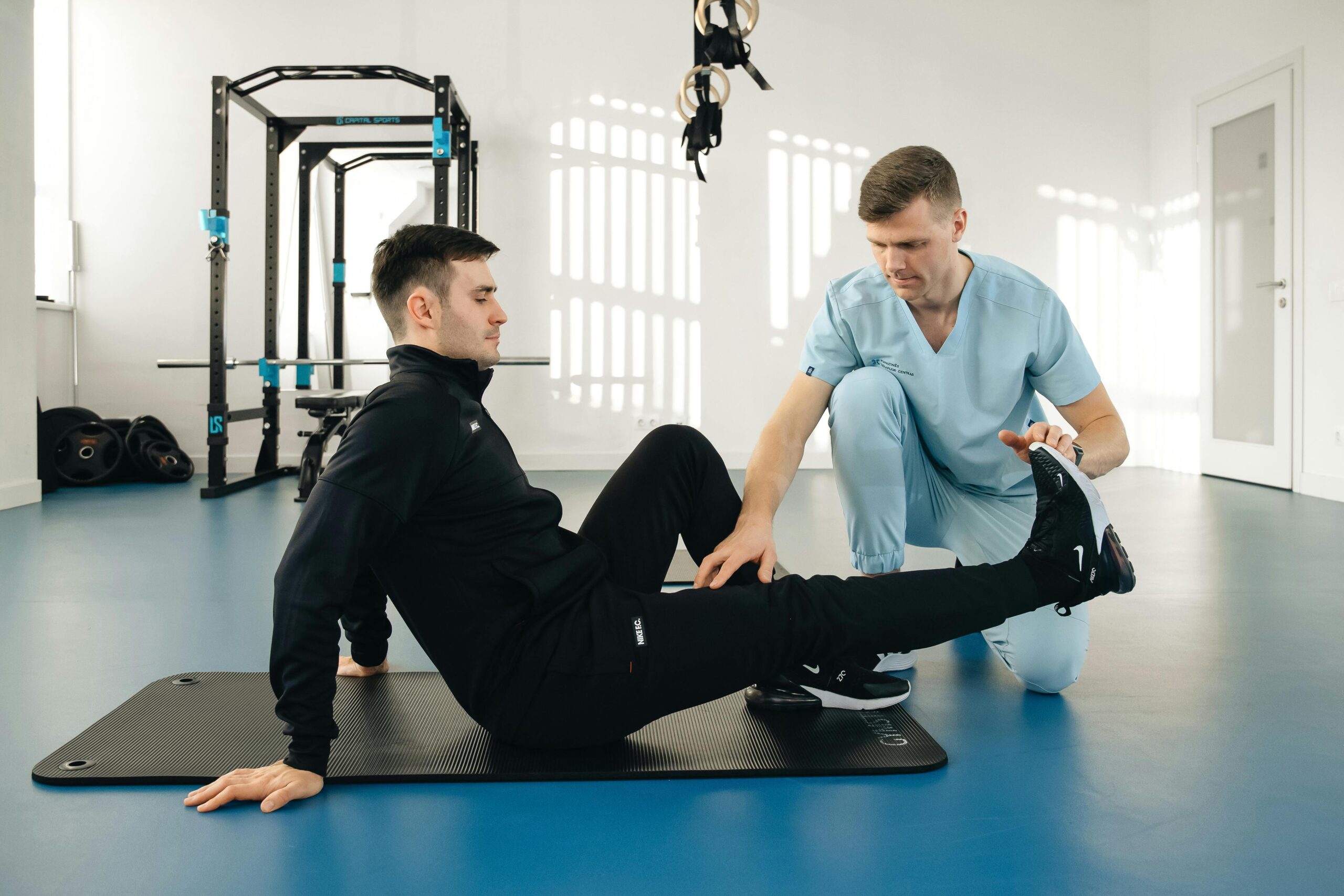
Preventative PT, often called “prehab,” uses movement screens and strength testing to identify risk factors early. Asymmetries, mobility limitations, and poor control can all be corrected before they lead to downtime.
For active adults balancing training, work, and family life, this saves time, frustration, and setbacks. It keeps momentum moving forward instead of constantly rebuilding after flare-ups. You can also Sleep Your Way to Lower Injury Risk and Less Pain.

Recovery Is How You Stay Strong for Life
Sports recovery physical therapy is not about doing less. It’s about training smarter so you can keep doing what you love for years to come.
Recovery is where adaptation happens. Without it, training stress turns into fatigue, pain, and injury. With it, your body becomes more resilient, efficient, and confident.
For active adults who refuse to slow down, recovery-based physical therapy offers a clear advantage. It helps you:
- Recover faster between sessions
- Reduce injury risk
- Maintain performance as you age
- Stay consistent instead of cycling through setbacks
At Solutions Physical Therapy and Sports Medicine, recovery is treated as part of performance, not an afterthought. The goal is not just to get you out of pain, but to help you move well, train confidently, and protect your long-term health.
If your body feels like it’s lagging behind your goals, recovery may be the missing piece. Getting expert guidance can help you close that gap and keep building strength that lasts.
Click Here to Book Your Assessment now.